Table of Content
This method is also suitable for underplanting woody plants and also to keep these areas weed-free. You can purchase various weed killers online or in many home goods or department stores. There are options for many types of gardens and flower beds, so choose which one best suits your situation. Each one of the techniques mentioned above comprises a home remedy for weed-killing.
The problem of weeding is real, and it harms the plants and grasses in your garden in one way or another. Sometimes it is hard to check their growth, and in such times using chemicals to check the weed growth seems the only option. Corn meal gluten will prevent weeds from growing in the first place. You get another benefit as the corn meal gluten breaks down into nitrogen and will help fertilize your lawn and garden. However, mulch has the property of depriving the soil of nutrients, especially nitrogen, which must then be returned with proper fertilization. Even ground-covering plants such as winter creeper, pachysandra, or epimedium can inhibit or even prevent weed growth.
Incredible Home Remedies For Killing Weeds
I have tried many mulches in my yard and garden, and after a hell of comparison and details, I landed on the six mulches that can really kill the weeds. For this purpose first, move mulch aside and pull off all weeds if there is. Follow the method to apply pre-emergent herbicides as different herbicide products have different methods.
Vinegar is a miracle worker for many of your common household chores, and weed killing is no different. The water evaporates and the baking soda can do its job. The application must be repeated several times until lasting success occurs.
Vinegar Solution
The black plastic weed barrier is more effective in blocking sunlight as compared to clear plastic. This is because clear plastic will let more sunlight in, and that is what we do not want as sunlight encourages the growth of weeds. There are many commercial products available that use a 20% acetic acid solution. This is good at killing and disintegrating weeds it comes into contact with. But it won’t always prevent their regrowth unless it affects the roots.
However, decomposed mulch could be the major reason weeds are growing. Consider removing the mulch first before spraying the weed killer. You can then lay a new much bed sticking to the standard specification of about 3 inches thick. Whether you use selective or non-selective type would depend on the type of weeds and nature of the job. Since non-selective herbicides kill almost anything they touch, they are the best option for clearing large beds with different kinds of weeds.
Soap Mixture
Shake the sprayer to mix the ingredients without creating too many suds. Weed torches are actually a thing, and you can even purchase them online. Instead, use your propane weed torch to wilt your weeds into submission.
Pre-emergent herbicides work by killing weeds in a parcel of land before the primary plants sprout . You can’t thus use it directly on weeds that have already sprouted since they won’t die. It’s used to prevent the growth of weeds rather than kill them. Mulch blocks the sunlight and helps in leaving the soil cool.
Use horticultural vinegar in place of grocery store vinegar or boiling water. Salt is not necessary when using vinegar, as the vinegar alone is usually strong enough to kill anything it touches. With salt, there is a risk of it washing into your garden where it can harm other plants so use care when applying. In confined or planned areas, grass adds to the landscape; in other areas, it is considered a weed. While you can use commercial products to get rid of crab grass, Bermuda grass, and other grasses, those are often toxic to children and pets. Instead of exposing your family to these harsh chemicals, you can use various home remedies to kill grass, usually within a few hours of the first application.
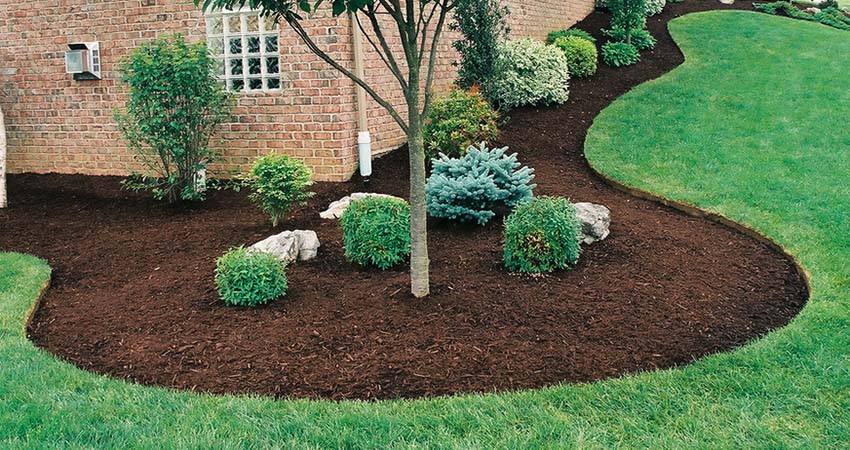
The paper blankets will breakdown to their carbon nature and enrich your soil while inhibiting weed growth. If you do see some weeds growing in the mulch, keep repeating the paper blanket process until there is no sign of the pesky plants. Use the black and white pages and avoid the color pages so that you don’t seep chemicals from the ink into your soil.
Some grass species, such as St. Augustine, are easily damaged, even by selective herbicides. So be careful when choosing a product for lawn care to make sure it’s okay for your type of grass. Glyphosate is a common chemical that kills plants to the roots, helping to prevent their regrowth. It could be a plant that’s sprung up uninvited in your flower beds. Or a different type of grass that’s trying to take over your lovely lawn. And it’s certainly those tufts of grass that are sprouting through your driveway or between the cracks in your patio.
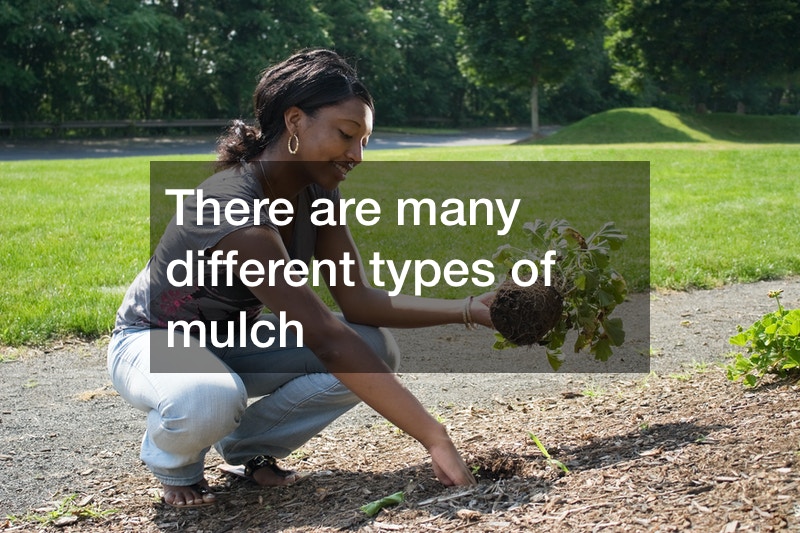
From root weeds the entire root should always be removed, as any remaining root debris in the soil can grow back. Only when you know which weed you are dealing with can you take specific action against it. For example, if it is a seed propagated plant, it is important to prevent it from spreading early. If the plant has a large root, it must be removed, not just cut off.




No comments:
Post a Comment